
Shrink fit tool holders, as a high-precision clamping system, are increasingly replacing traditional collet chucks in high-speed machining. They rely on thermal expansion and contraction: heating expands the bore for tool insertion, and cooling creates a powerful interference fit.
1. What is a Shrink Fit Tool Holder?
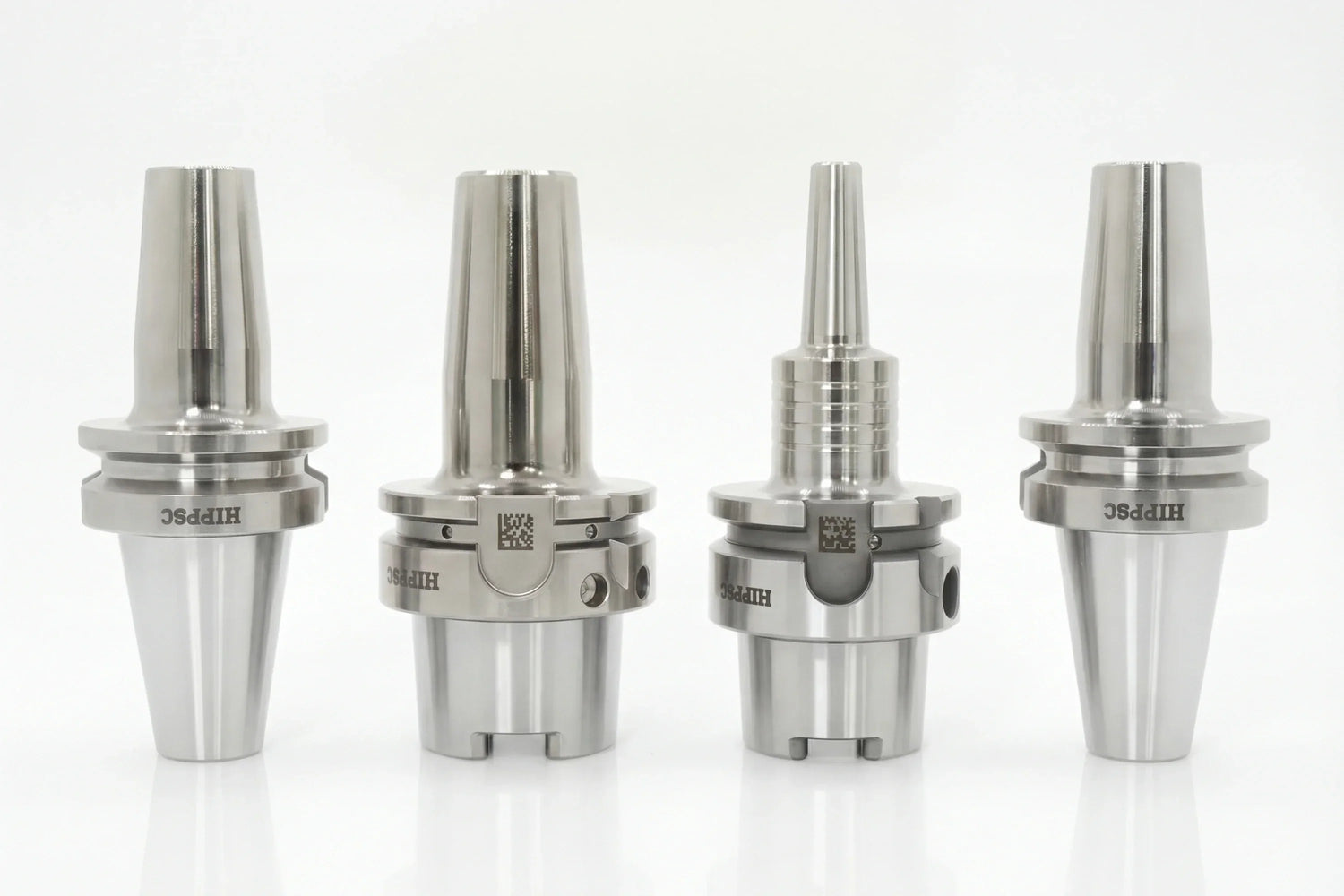
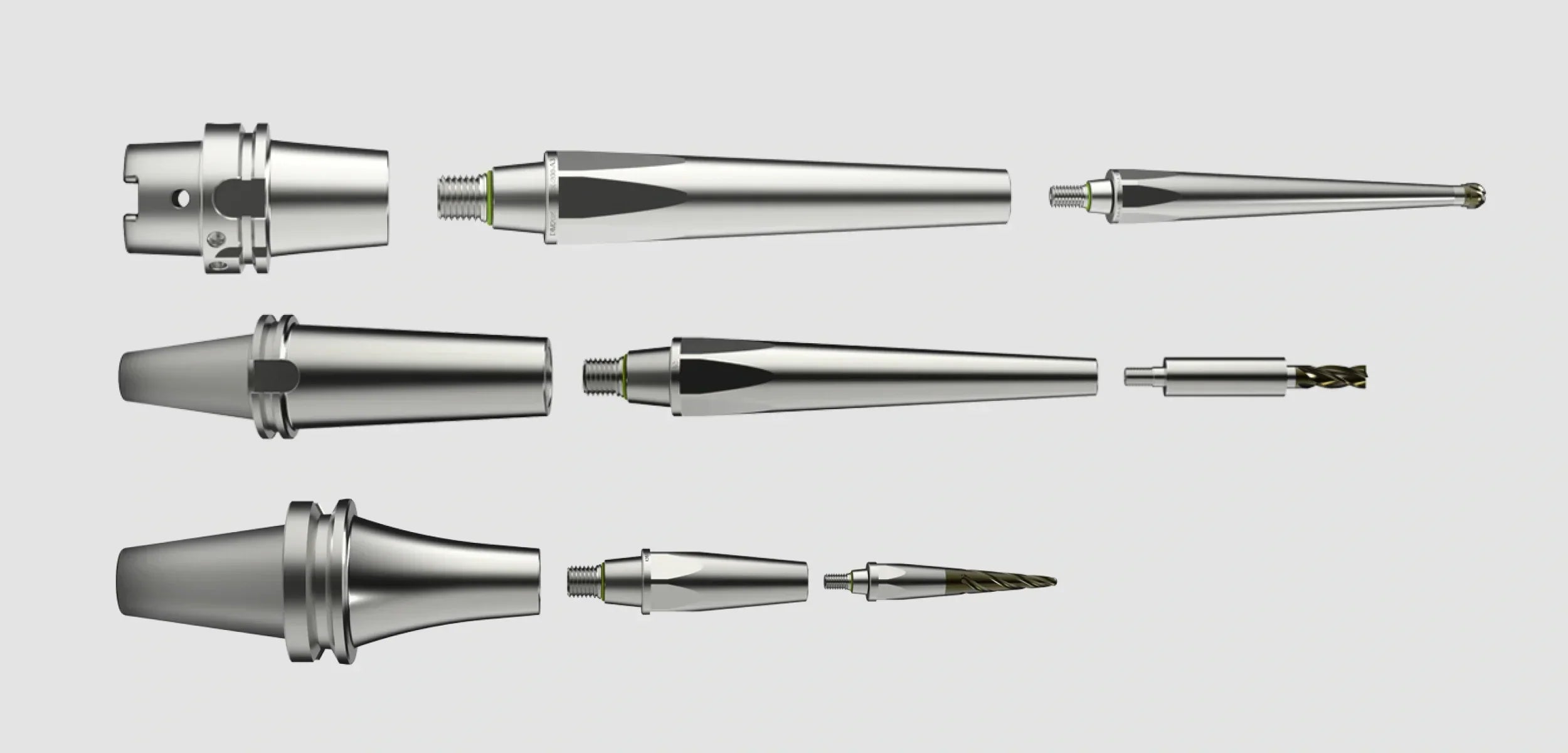
The core of shrink fit technology lies in two concepts: one-piece construction and thermal assembly.
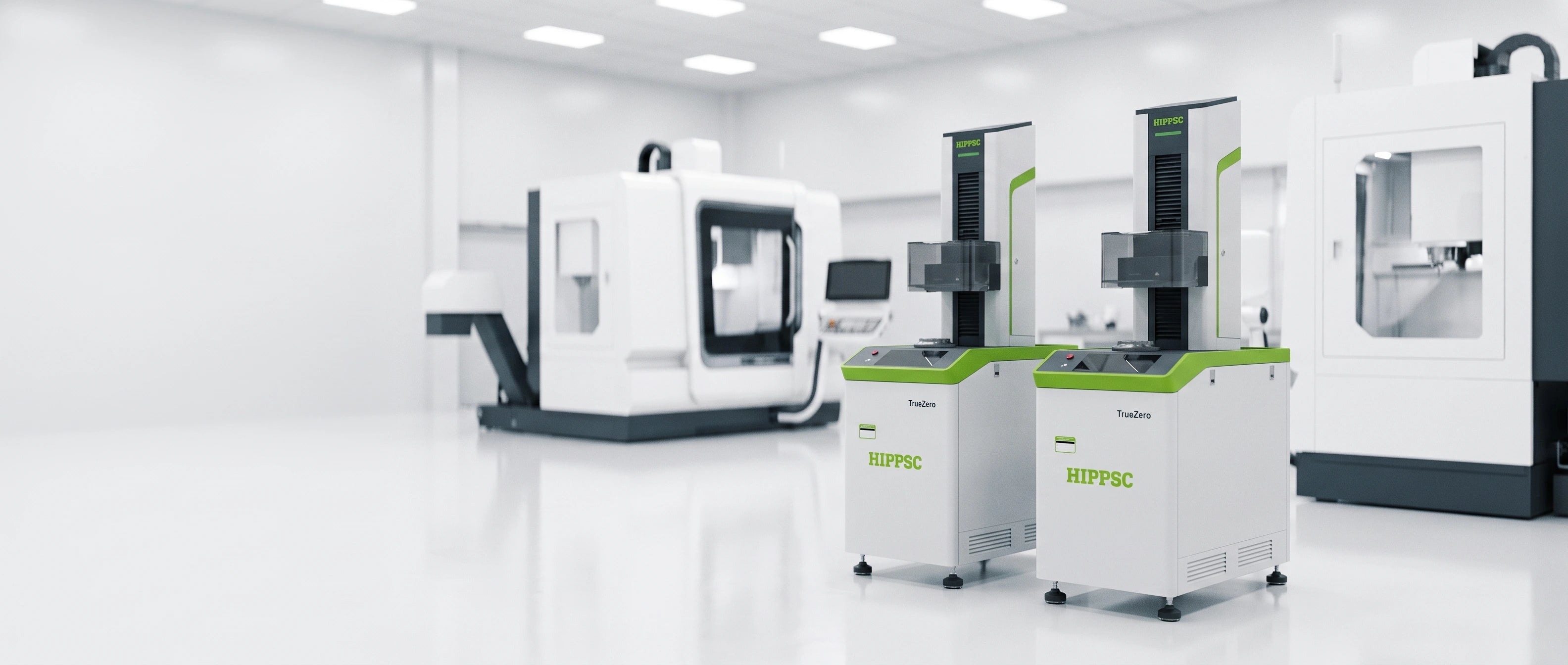
Unlike traditional holders that depend on nuts and collets, shrink fit holders are a solid, monolithic structure with no moving parts. During setup, a shrink fit machine heats the clamping area (typically 250°C–425°C), expanding the inner diameter. The tool is inserted, and as the holder cools, it contracts uniformly, applying a full 360° clamping force.
This results in exceptional precision, rigidity, and balance.
2. Common Questions
Is it difficult to operate? Will the tool loosen?
Operation is straightforward: heat → insert → cool. A full tool change typically takes only seconds.
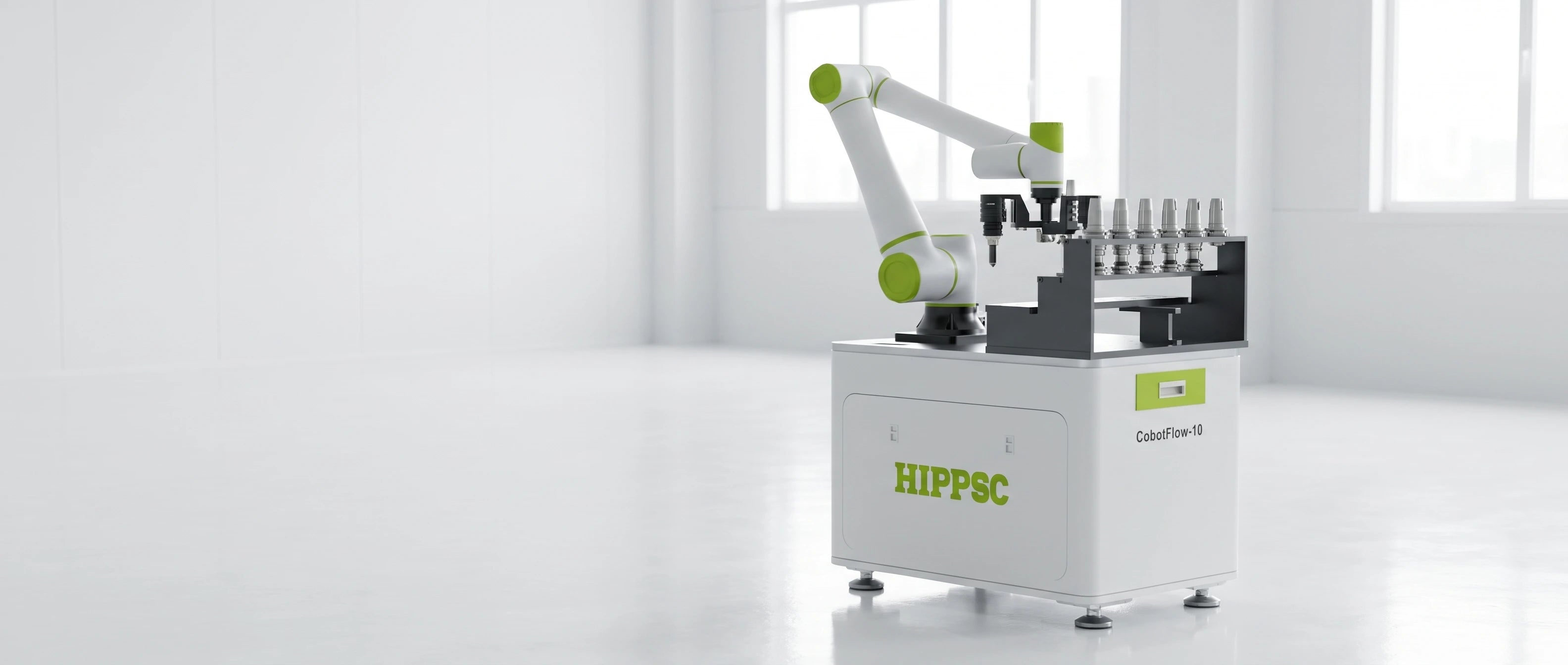
Once cooled, the clamping force is extremely strong—significantly higher than side-lock or collet systems. Advanced solutions such as automated shrink fit systems further streamline the process with features like quick-change coils and automated handling.
3. Key Advantages
High Precision & Rigidity
Delivers superior surface finish and reduced vibration. Tool life can increase by up to 50% due to lower wear.
Improved Clearance
Slim, nut-free design allows better access to deep cavities and tight geometries.
High-Speed Performance
The symmetrical, one-piece structure provides excellent balance, making it ideal for high-speed machining (20,000+ RPM).
4. Standard Operating Procedure
- Clean: Use alcohol and a lint-free cloth to remove oil, debris, and contaminants from both the holder bore and tool shank.
- Heat: Place the holder in the induction coil and select the appropriate heating program.
- Insert: Quickly insert the tool to the correct depth using heat-resistant gloves. Avoid bottoming out.
- Cool: Allow natural cooling or use air/liquid cooling systems.
- Inspect: Once cooled, the assembly is ready for machining.
5. Real-World Results
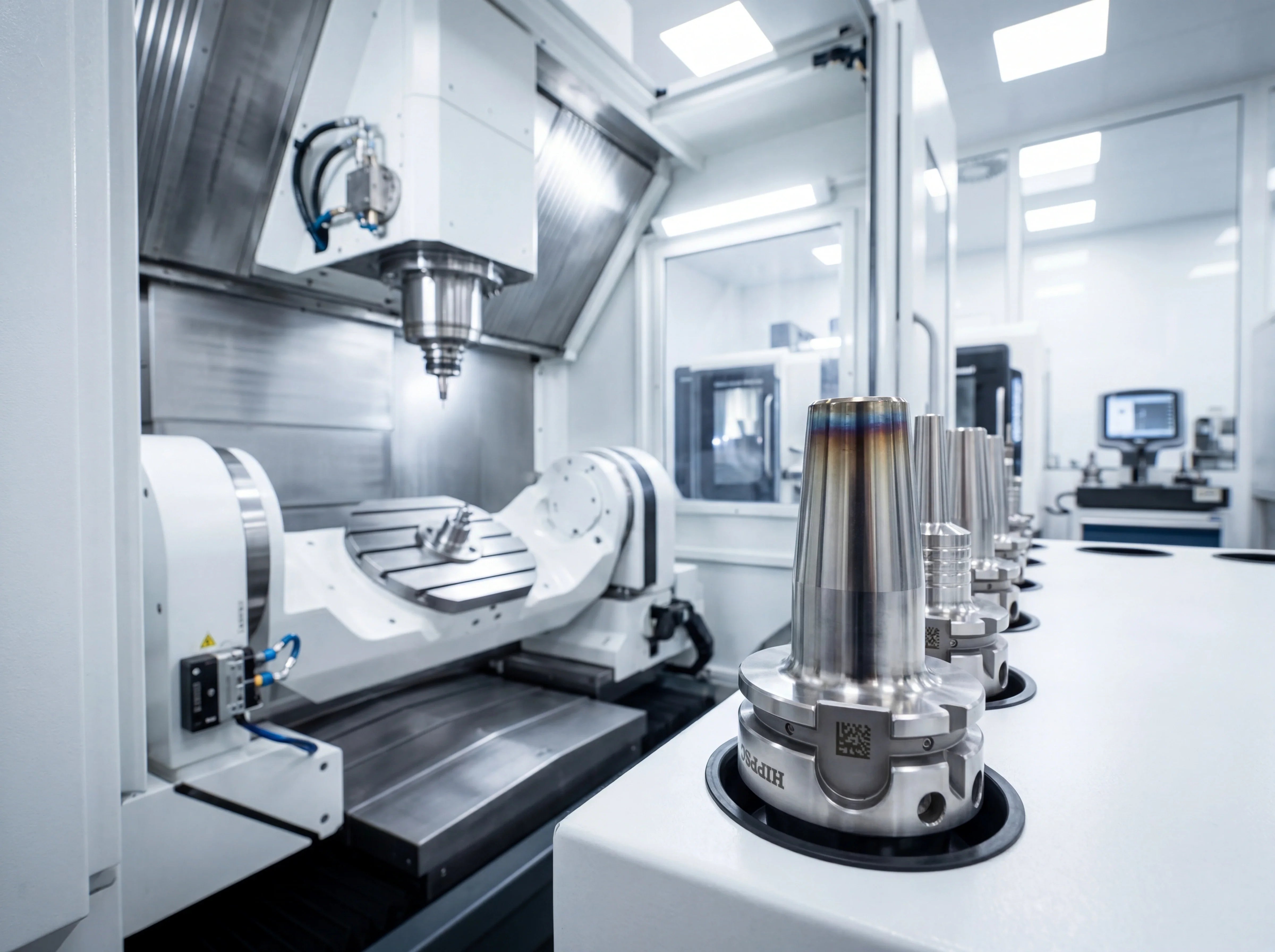
In aerospace machining, shrink fit holders enable higher cutting depths and feed rates, improving process stability and increasing material removal rates compared to side-lock systems.
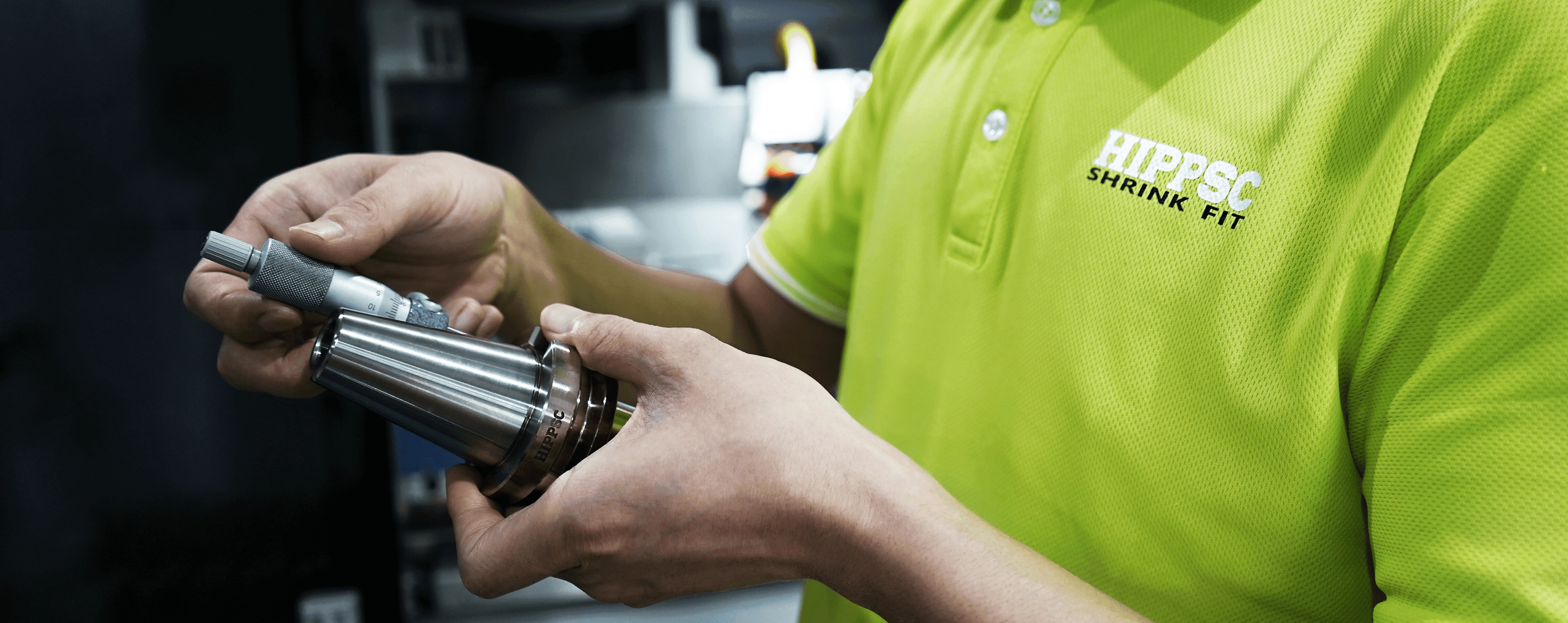
In mold and die applications, runout can be maintained within 3µm, producing superior surface finishes and reducing the need for manual polishing.

Leave a comment
All comments are moderated before being published.
This site is protected by hCaptcha and the hCaptcha Privacy Policy and Terms of Service apply.