
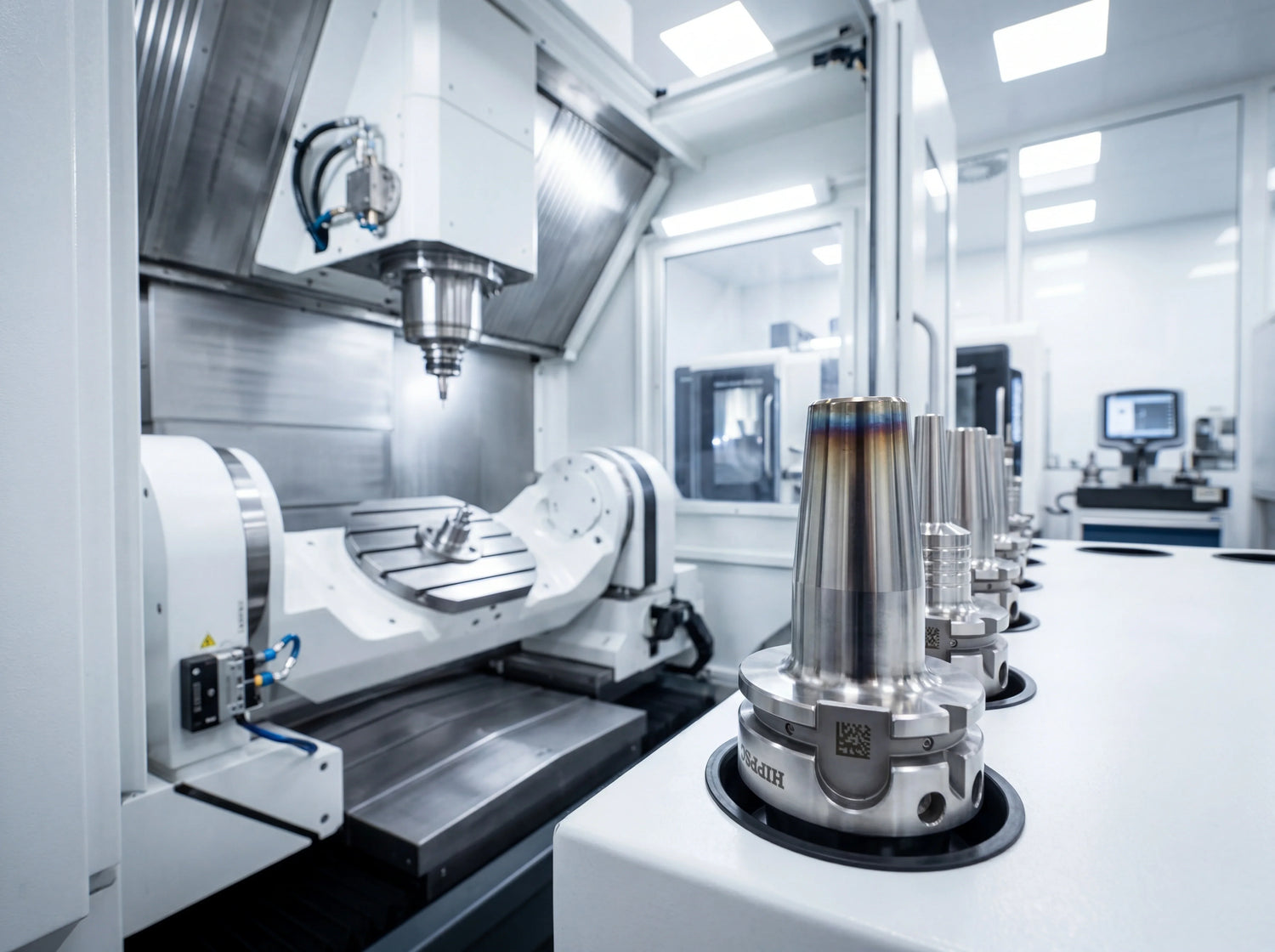
1. Overview of Shrink-Fit Tool Holders
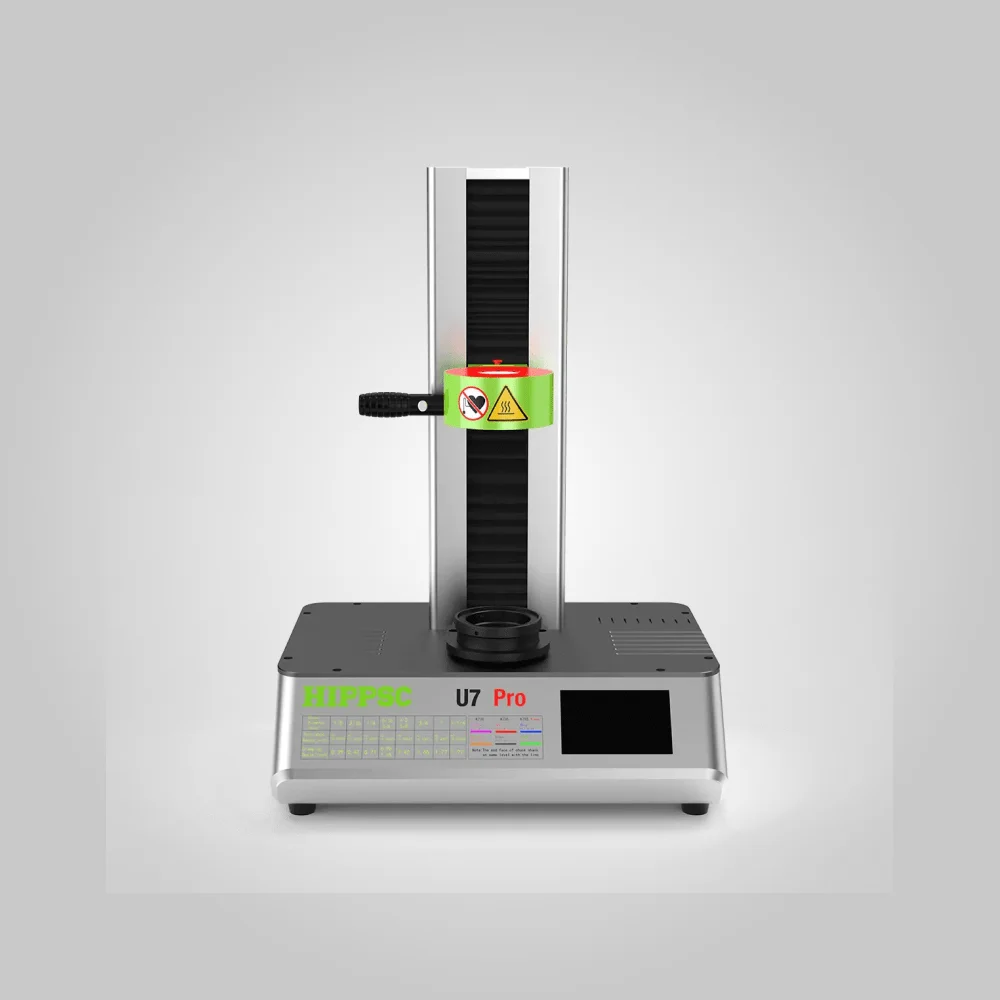
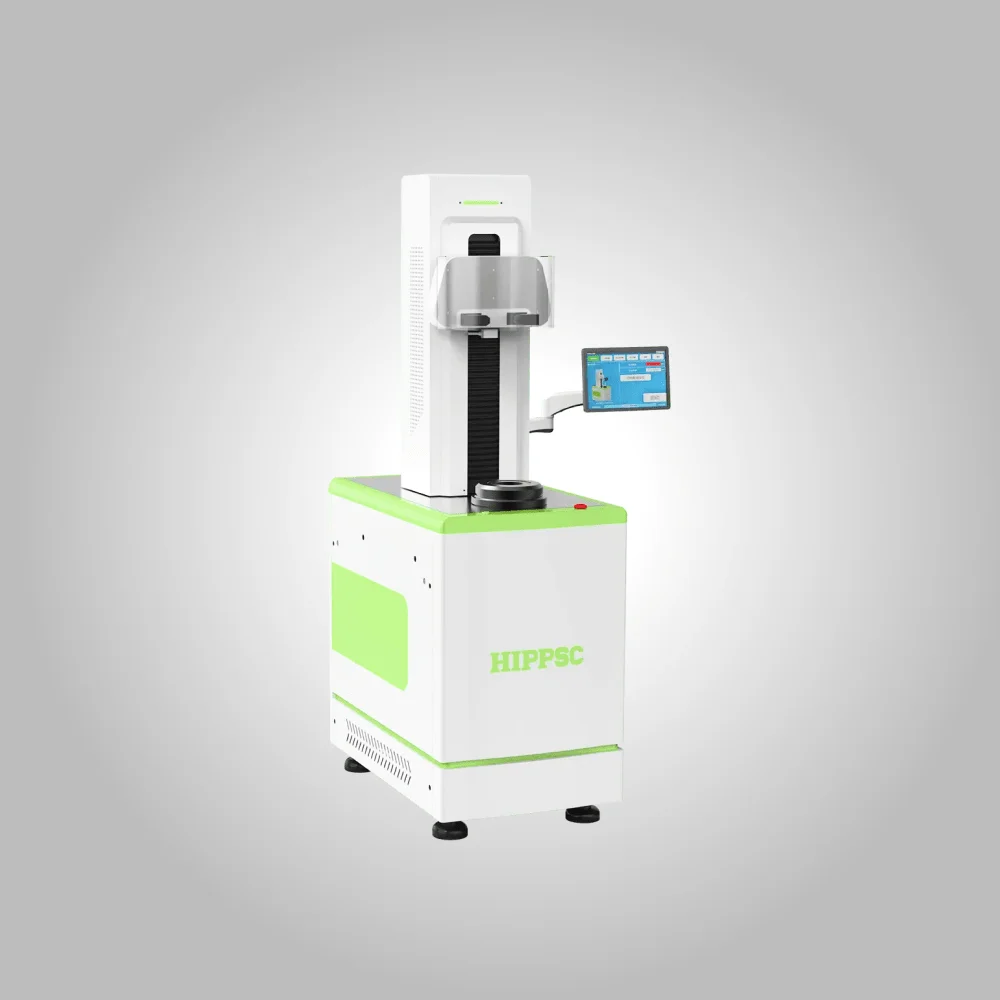
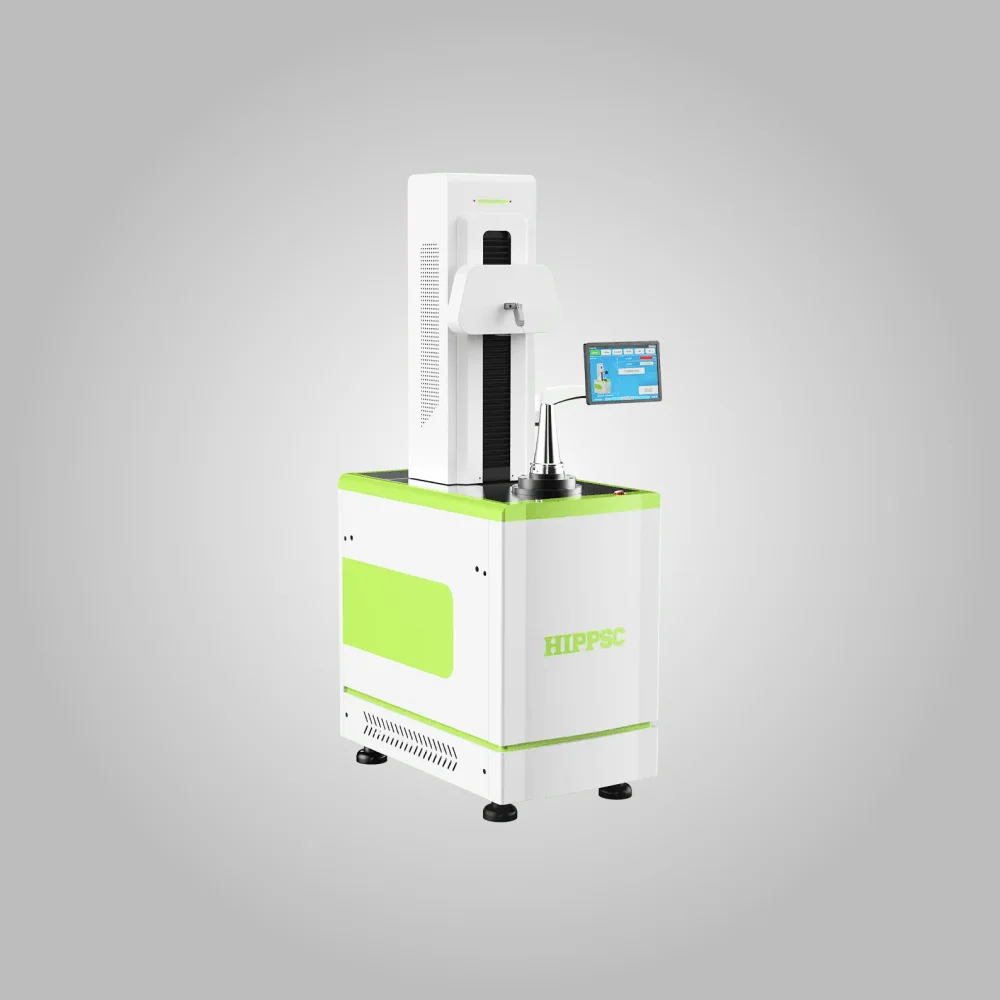
A shrink-fit tool holder is a high-precision solution for securing cutting tools using thermal expansion and contraction. The process is simple yet extremely effective: the holder is heated to expand its bore, the cutting tool is inserted, and as the holder cools, it contracts to create a tight, uniform grip.
This method delivers exceptional rigidity, concentricity, and balance—making it a preferred choice for high-speed machining and precision manufacturing applications.
2. Common Issues and How to Fix Them
Q: Why does the tool sometimes clamp crooked due to uneven heating?
A: Uneven heating typically results from using the wrong induction coil or improper alignment during the heating process. If the coil does not match the tool holder size, or if the tool is off-center, heat distribution becomes inconsistent—leading to misalignment.
To prevent this:
- Use a properly matched induction coil for each holder size
- Ensure the tool is centered along the holder axis before heating
- Use machines with quick-change coil systems for efficiency
- Leverage smart features like barcode scanning (available on advanced shrink-fit machines) to automatically guide setup
3. Benefits of Proper Shrink-Fit Operation
- Higher Machining Accuracy & Better Surface Finish: Produce cleaner, more precise parts straight off the machine
- Extended Tool & Holder Life: Reduce wear through consistent, even clamping force
- Improved Safety: Minimize the risk of tool pull-out during high-speed operations
- Reduced Downtime: Faster setup and fewer adjustments increase overall productivity
4. Step-by-Step Operating Procedure
Preparation:
Clean both the tool holder bore and the tool shank thoroughly. Select the correct induction coil and prepare your cooling system.
Heating:
Place the holder into the induction heater and apply heat based on the material specifications. Heat until the bore expands just enough to accommodate the tool shank.
Tool Insertion:
Insert the cutting tool quickly and precisely. Adjust to the desired length and maintain alignment while the holder begins to cool.
Cooling:
Allow the holder to cool evenly using air or a controlled cooling station. Avoid rapid quenching, which can introduce internal stress.
Inspection:
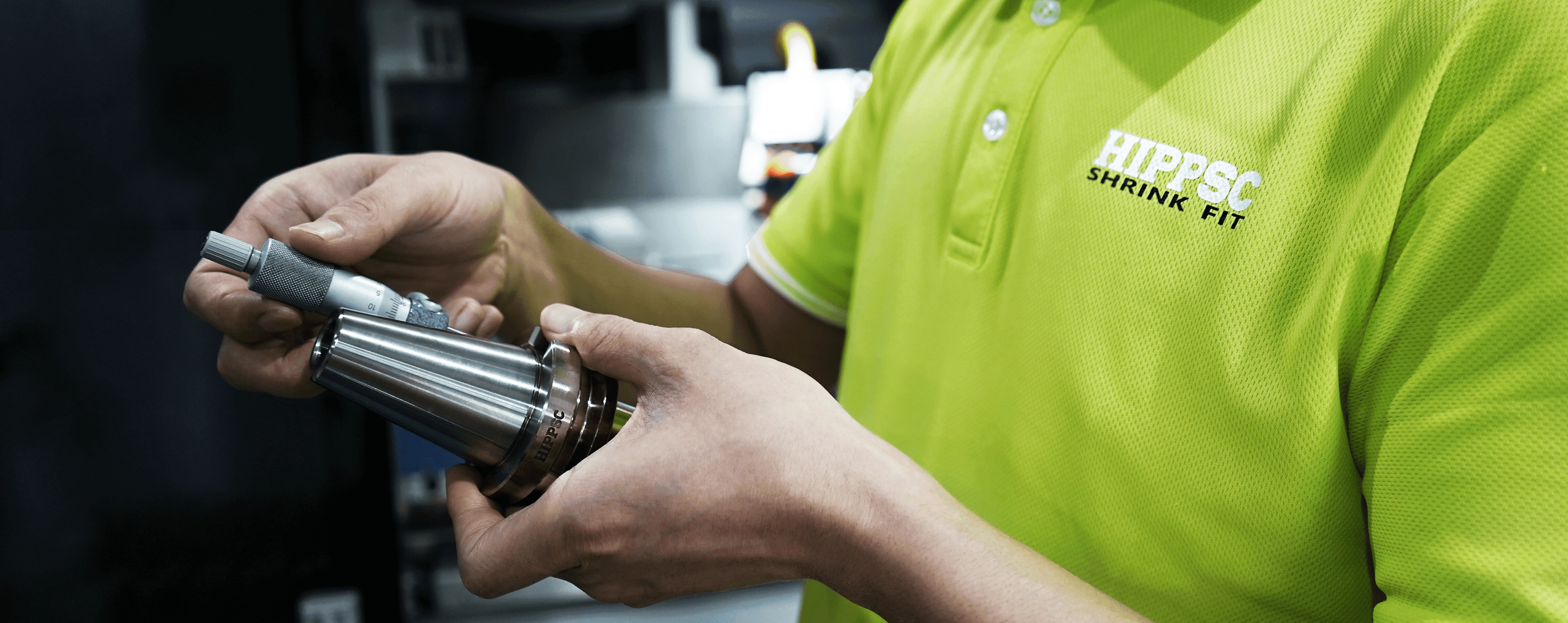
Verify clamping integrity, runout, and balance. A dynamic balancing check is recommended for high-speed applications.
5. Real-World Results
Case Study 1:
An automotive parts manufacturer implemented proper shrink-fit procedures and achieved a 30% reduction in milling vibration, along with a 25% increase in tool life.
Case Study 2:
A mold-making shop eliminated tool slippage by improving cleanliness and temperature control, increasing yield from 87% to 96%.
Case Study 3:
An aerospace supplier introduced dedicated coils and centering fixtures, reducing tool change time by 40% and consistently achieving surface finishes of Ra 0.4 or better.

Leave a comment
All comments are moderated before being published.
This site is protected by hCaptcha and the hCaptcha Privacy Policy and Terms of Service apply.